
Maintenance
How to Protect Floors From Furniture and Heavy Traffic
Scratches, dents, and worn finish are the price of daily life on a beautiful floor. Here is how to shield your floors from furniture and heavy foot traffic so they last for decades.
Quick Answer
How do you protect floors from furniture and heavy traffic?
Fit felt or rubber pads under every furniture leg, upgrade office chair casters to soft polyurethane wheels, and always lift heavy pieces instead of dragging them. In high-traffic areas, use walk-off doormats at every entrance, add rugs with non-slip underlayment in hallways, sweep or dust-mop daily, and vacuum weekly with the beater bar turned off.
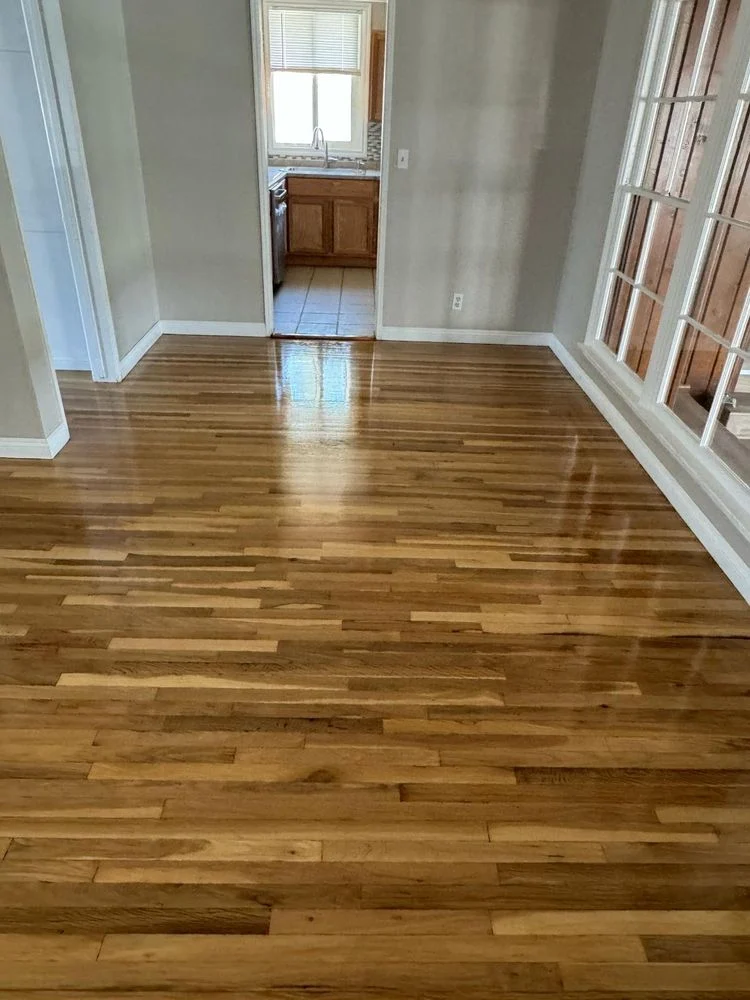
How Furniture and Foot Traffic Damage Floors
Furniture and foot traffic wear down a floor in two very different ways, so each needs its own defense.
- Mechanical scratches and dents: Heavy pieces like couches, dining sets, and pianos put intense downward pressure on a small surface area. Moving a chair without protective padding drags a sharp friction point across the finish, slicing through polyurethane coats, chipping tile glaze, or gouging luxury vinyl plank.
- Abrasive friction and finish wear: Foot traffic acts like fine sandpaper. Every step grinds the grit and dirt on the bottom of shoes into the surface, which dulls the protective finish fastest in hallways, entryways, and kitchen work zones. Research from the U.S. Department of Housing and Urban Development points to tracked-in outdoor particulate as a leading driver of indoor surface wear.
Essential Furniture Protection Strategies
Preventing furniture-related gouges comes down to putting a barrier between hard furniture legs and your finish.
- Heavy-duty felt and rubber pads: Felt pads are the simplest defense for movable pieces like dining chairs and coffee tables. Choose heavy-duty, screw-in or nail-on pads instead of cheap adhesive versions, which peel off quickly. For stationary furniture like sofas, non-marking rubber caster cups distribute weight evenly and stop sliding.
- Better caster wheels: Standard hard plastic office chair casters act like tiny rollers of destruction on hardwood, laminate, and tile. Swap them for soft polyurethane, inline-skate-style casters, or place a rigid mat under the desk setup instead.
- Safe lifting during rearrangements: Never drag heavy tables, sofas, or appliances. Lift them fully, or use sliding disks under the legs; felt-based sliders work best on hardwood, while hard plastic sliders are better across carpet.
Ready to Protect Your New Floors?
We install and maintain hardwood, SPC, and luxury vinyl across LA. Get a free consultation on the right protection plan for your home.
High-Traffic Floor Defense Plan
Defending high-traffic zones is mostly about managing where dirt enters and choosing the right textiles once it does.
| Defense Tactic | Primary Benefit | Best Suited For |
| Walk-off doormats | Traps up to 80% of outdoor grit and moisture before it reaches your floor | Exterior entryways and mudrooms |
| Area rugs and runners | Cushions foot impact and protects high-wear paths | Long hallways, living areas, kitchens |
| Non-slip rug underlayment | Stops rug slippage and prevents dye transfer onto the floor | Beneath every accent rug and runner |
| No-shoes policy | Eliminates damage from heels, cleats, and tracked-in grit | Whole-home protection |
Place coarse mats outside every exterior door and absorbent rugs just inside, sized for at least two full steps. Avoid rubber-backed mats on finished hardwood or natural stone, since the plasticizers in rubber can permanently discolor the finish. Pair every accent rug with a breathable, non-staining felt or rubber pad, which adds cushioning and keeps grit from working into the seams.
Long-Term Maintenance and Choosing Durable Materials
Consistent, light cleaning does more for your floors than any single deep clean. Sweep or dust-mop hard surfaces daily with a soft microfiber head rather than a stiff-bristled broom, which scatters dust instead of collecting it. Vacuum weekly on a hard-floor setting with the rotating brush roll turned off so it cannot scratch the finish.
If you are installing new floors in a busy household with pets or kids, lean toward materials built for durability from the start. SPC and luxury vinyl plank with a wear layer of 20 mils or higher, porcelain tile, and dense solid hardwood species like white oak or hickory all resist denting and scratching far better than softer, budget alternatives.
Partner With My Flooring Expert for Lasting Results
Protecting your floors starts with the right installation, the right materials, and a care routine that matches your household. Whether you need existing scratches repaired, worn hardwood refinished, or a durable new surface built for heavy traffic, My Flooring Expert connects you with top-rated local professionals across Los Angeles. If your current floors already show wear, our floor repair team can restore them before the damage spreads. Contact us today to schedule your flooring consultation.
Our Flooring Services
The full range of flooring services, available across Los Angeles.
Prefer to talk it through? Call (866) 429-4949 for a free consultation.