Hardwood Flooring Cost vs Long-Term Value


But as an installer who has laid, repaired, and restored thousands of floors over the years, I look at flooring differently. I don’t just see the upfront installation cost; I see the lifetime performance. When you calculate the true cost of ownership over 10, 20, or even 50 years, real hardwood consistently proves to be one of the smartest, most cost-effective investments you can make for your property.
Let’s look past the initial price tag and break down the real relationship between hardwood flooring costs and their incredible long-term value.


Upfront Costs vs. Lifespan: The True Math of Hardwood
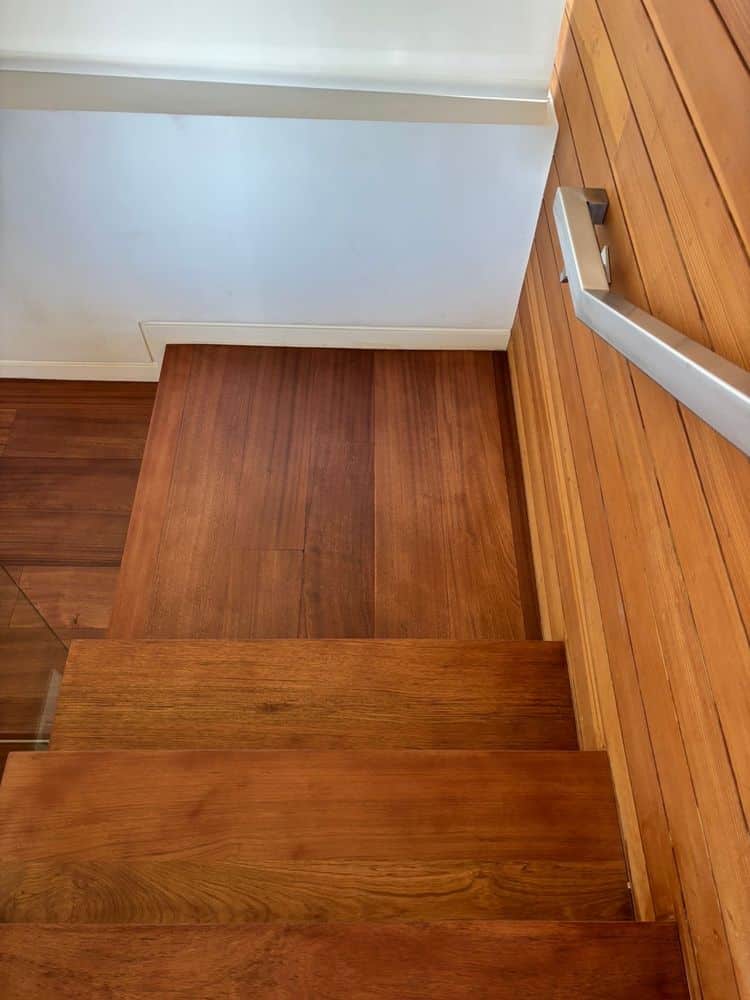
To understand the value of hardwood, you have to compare its lifespan to other popular flooring options. Many budget-friendly materials are designed to be temporary, whereas wood is designed to last generations.
Let’s look at the average lifespan and replacement cycles of common flooring materials:
- Carpet: Typically lasts 5 to 10 years before it becomes permanently stained, matted, or holds onto odors. Over a 50-year period, you might have to replace your carpet 5 to 7 times.
- Laminate: Lasts about 15 to 25 years. While durable, once the top wear layer is scratched or chipped through to the fiberboard core, it cannot be repaired and must be replaced.
- Luxury Vinyl Plank (LVP): High-quality LVP can last 20 to 30 years. However, much like laminate, once it is damaged, you are looking at replacing planks rather than restoring them.
- Solid Hardwood: Easily lasts 100 years or more with proper care. It is a one-time purchase for most homeowners.
When you add up the cost of repeatedly ripping out and replacing cheaper materials every decade, solid hardwood often ends up being the cheaper option in the long run.
Refinishing: The Ultimate Reset Button
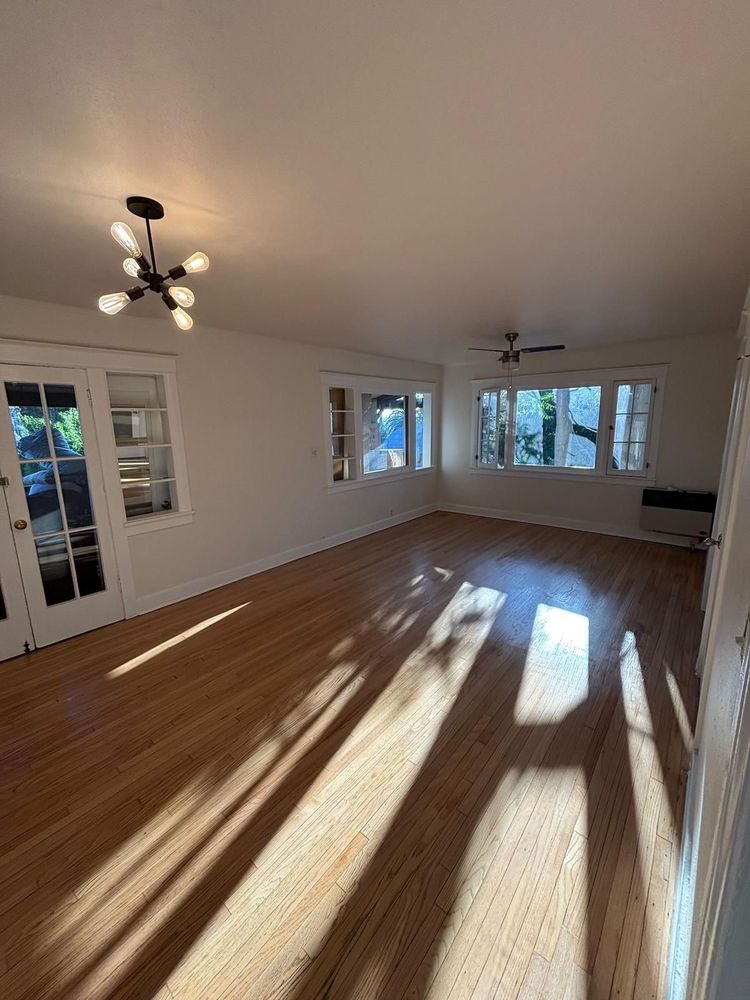
The superpower of solid hardwood flooring is its ability to be completely renewed. When other floors get worn out, they go to the landfill. When hardwood floors get worn out, we simply sand them down and make them brand-new again.
A standard solid hardwood plank has a thick “wear layer” above the tongue-and-groove joint, allowing it to be professionally sanded and refinished 4 to 6 times over its lifespan.
- Fixing Scratches and Dents: Everyday life—dog claws, moving furniture, dropped items—will leave its mark over a decade. A professional floor refinishing service strips away those superficial imperfections.
- Changing Your Style: Tired of the dark espresso stain you chose ten years ago? You don’t need a new floor. During a refinish, we can apply a modern light oak or natural clear sealer to completely transform your home’s aesthetic.
If your wood has suffered deep structural damage or localized water stains, we can easily perform target floor repairs by weaving in matching planks before sanding, preserving your original investment.
Real Estate ROI: Hardwood Sells Homes
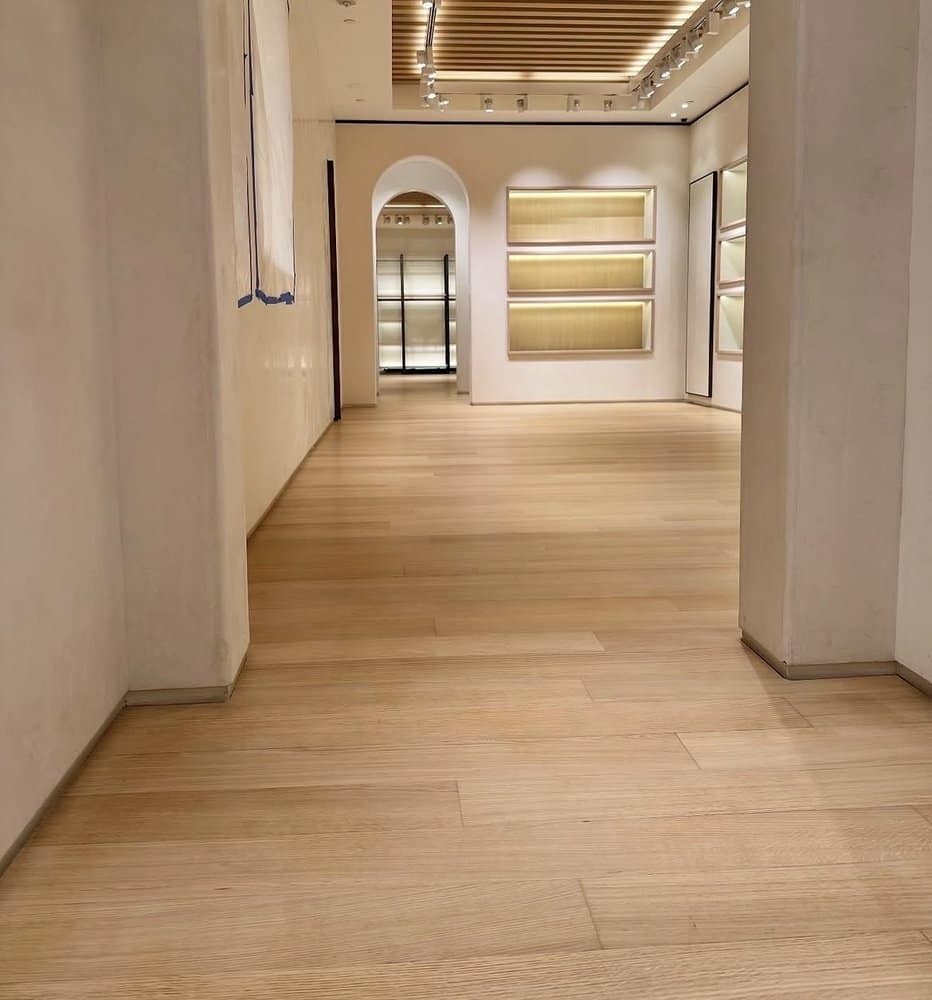
Ask any real estate agent what flooring material buyers look for most, and the answer is always hardwood. It is a major selling point that actively increases a home’s equity.
According to the National Association of Realtors (NAR), homeowners can recover up to 118% of the cost of installing new wood floors when they sell their home. Buyers view hardwood as a premium upgrade and are often willing to pay a premium for a home that already has it installed.
In contrast, carpet or worn laminate can actually hurt your home’s appraisal and stall a sale, as buyers immediately calculate the cost of replacing those floors themselves.
Maintenance and Indoor Air Quality Advantages
Beyond the financial calculations, hardwood floors offer daily functional value that directly affects your health and time.
- Hypoallergenic Living: Carpet acts like a giant filter, trapping dust, pet dander, pollen, and dust mites deep in its fibers. Hardwood has a flat, non-porous surface that doesn’t harbor allergens. A quick sweep and damp mop are all it takes to keep your indoor air clean.
- Simple Cleaning: You don’t need expensive deep-cleaning machines or harsh chemicals. Maintaining wood floors is incredibly straightforward. For some great tips on keeping your floors in pristine condition, check out our guide on Hardwood Flooring Maintenance Tips.
Summary: Weighing Your Investment Options
To make your decision easier, consider this quick cost-to-benefit breakdown:
| Flooring Type | Upfront Cost | Lifespan | Can It Be Sanded/Refinished? | Long-Term Value |
| Solid Hardwood | High | 100+ Years | Yes (4–6 times) | Extremely High (Adds home equity) |
| Laminate | Low to Medium | 15–25 Years | No | Moderate |
| Luxury Vinyl (LVP) | Medium | 20–30 Years | No | High (Waterproof utility) |
| Carpet | Low | 5–10 Years | No | Low (High replacement cycle) |
If you plan on living in your home for more than 10 years, or if you want to maximize your resale value before putting your property on the market, investing in a professional hardwood floor installation is the most rewarding choice you can make.
Ready to Invest in Your Home’s Future?
At My Flooring Expert, we don’t just install floors—we build lasting foundations for your home. Whether you want to tap into the hidden beauty of your existing wood with our premium floor restoration services, or you are ready to select a brand-new solid hardwood floor, our experienced team is here to ensure your investment is flawless.
We service Los Angeles, Orange County, and surrounding areas. To make your dream home even more accessible, we proudly offer flexible 0% interest financing options from 6 to 18 months! Let us bring our mobile showroom directly to your door so you can see beautiful hardwood samples in your own home’s natural light.
Ready to elevate your home’s style and value?
Click here to book your FREE in-home consultation and estimate today! You can also speak directly to one of our friendly flooring experts by calling (866) 429-4949.